India Inflation Ticks Up, RBI Cuts Rates Amid Growth Push
India's consumer price index (CPI) saw a notable increase in November, with inflation climbing to 0.71%. This marked a significant acceleration from the previous month's record low of 0.25%. The figure closely matched the median forecast of 0.70% from economists surveyed by Reuters, indicating the shift was largely anticipated.
According to a government release, the primary drivers behind this inflationary pressure were increased prices for essential goods. Consumers faced higher costs for vegetables, eggs, meat, and fish. Additionally, the price of spices and fuel contributed to the overall rise. Specifically, the fuel and light price category saw its inflation rate increase to 2.32% in November, up from 1.98% in October. This trend was observed across the country, affecting both urban and rural households.
Central Bank's Pro-Growth Stance
In response to a low-inflation environment and signs of a slowdown in certain economic areas, the Reserve Bank of India (RBI) took decisive action by trimming its key policy rates by 25 basis points last week. This move is designed to inject fresh momentum into India's already robust economic expansion.
The central bank has adjusted its inflation outlook, now projecting a CPI of 2% for the fiscal year ending in March 2026, a downward revision from its earlier 2.6% forecast. The RBI anticipates inflation to average 2.9% in the quarter ending March, before rising to 4.0% by the September 2026 quarter.
Following its recent monetary policy meeting, the RBI highlighted that the favorable balance between growth and inflation provides the necessary flexibility to continue supporting the economy. Governor Sanjay Malhotra affirmed this supportive stance, stating that the central bank will proactively address the productive needs of the economy. The dovish signals from the governor have sparked a debate among analysts, with some speculating that further rate cuts could be on the horizon, while others believe this may be the final reduction in the current easing cycle. HSBC Research suggested that a combination of weaker future growth, sustained low inflation, and tight fiscal policy might necessitate further monetary support in 2026.
Navigating Trade Headwinds and a Weakening Rupee
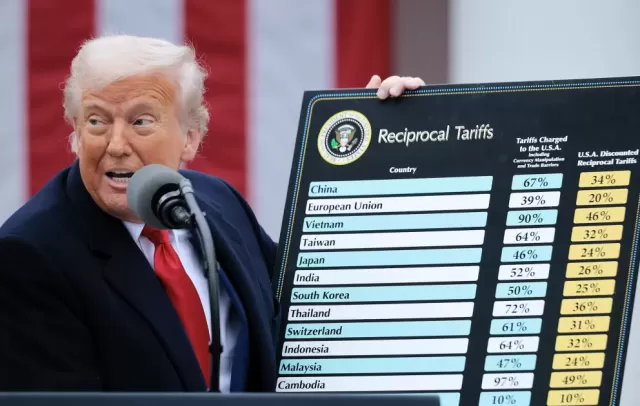
The Indian economy is also contending with significant external pressures. In August, the United States levied an additional 25% tariff on Indian goods, pushing total duties to as high as 50% on certain products. This move has severely impacted labor-intensive sectors such as textiles, gems and jewelry, and marine products. While exports to the U.S. represent only about 2% of India's GDP, sustained weakness in these key industries could trigger job losses and negatively impact overall economic growth.
The trade situation has shown signs of strain. Exports to the United States, a crucial trading partner, declined for the second consecutive month in October, falling by 8.5% year-over-year to $6.3 billion. India's total outbound shipments also experienced a sharp drop of 11.8% in October, amounting to $34.38 billion. With trade negotiations between Washington and New Delhi stalled, the economic uncertainty has taken a toll on the Indian rupee, which recently fell to record lows, trading at over 90 to the U.S. dollar.
Domestic Stimulus Aims to Counteract External Strain
To mitigate the impact of these trade challenges, the Indian government has turned its focus to stimulating domestic demand. On September 22, authorities streamlined the Goods and Services Tax (GST) framework, cutting levies on a wide range of items. This measure, strategically timed ahead of the major festive season, successfully lowered prices for vehicles, consumer goods, and agricultural products.
The tax cuts provided a tangible boost to domestic consumption. However, this internal strength is contrasted by the persistent weakness in the export sector, creating a complex economic picture. The challenge for policymakers lies in balancing domestic growth initiatives against mounting external pressures and a volatile currency market.