States Sue to Block New Trump Tariffs
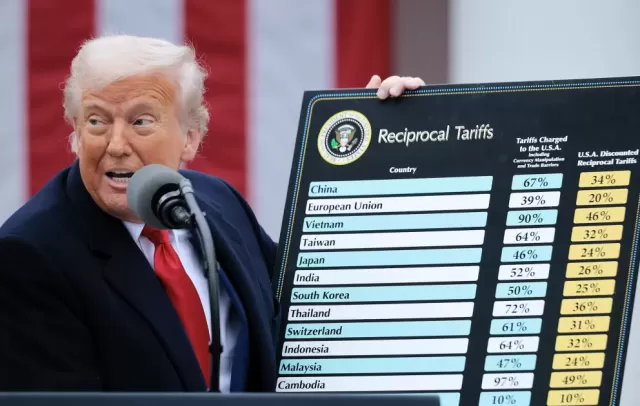
A coalition of state attorneys general, led by New York's Letitia James, has filed a new lawsuit aiming to halt the latest global tariff initiative from the Trump administration. This legal action follows closely on the heels of a Supreme Court decision that overturned a previous tariff scheme, intensifying the conflict over presidential trade powers.
Legal Challenge Against New Tariffs
The complaint was submitted to the U.S. Court of International Trade, requesting that the court rule the recent tariffs illegal and mandate refunds to the states. This step amplifies the legal fallout from the Supreme Court's rejection of an earlier tariff package imposed under emergency authorities.
Supreme Court's Previous Ruling
Last month, the Supreme Court invalidated the majority of the broad tariffs enacted last year, often referred to as the "Liberation Day" duties. The justices determined that the administration improperly used the International Emergency Economic Powers Act to justify those measures, marking a significant judicial check on executive trade actions.
Basis of the New Tariffs
In response, President Trump promptly announced a fresh set of global tariffs, grounding them in Section 122 of the Trade Act of 1974. The current tariff rate stands at 10%, with administration officials indicating plans to raise it to 15%. The White House maintains this law provides the necessary authority to address balance-of-payments concerns.
Criticism from State Attorneys General
Attorney General James issued a statement condemning the move, arguing that the president is disregarding legal and constitutional limits to impose what she calls unfair taxes on consumers and small businesses. She warned that this approach perpetuates economic instability and forces Americans to bear the costs.
The group of attorneys general, most of whom previously helped block the initial tariffs, notes that the renewed measures contribute to ongoing international trade uncertainty. Separately, a federal court has recently ordered billions in refunds to companies that paid tariffs nullified by the Supreme Court, underscoring the financial impact of these policies.
White House Defense
Administration spokesperson Kush Desai countered that the president is acting within congressional mandates to tackle profound balance-of-payments deficits. He stated that the White House will defend the tariff actions vigorously in the judicial system.
Allegations of Law Misuse
The lawsuit contends that the administration is misapplying Section 122 of the Trade Act of 1974. The plaintiffs assert that this statute was designed to handle specific monetary issues related to the gold standard era, not contemporary trade imbalances. Their filing also raises two key objections:
- The tariffs violate the Constitution's separation of powers by infringing on Congress's exclusive authority to set duties.
- The levies fail to meet the Trade Act's requirement for uniform application across all trading nations.
This legal maneuver is viewed as an attempt to circumvent the Supreme Court's earlier ruling against tariffs imposed under emergency powers.
Historical Context and Previous Lawsuits
This is not the first time state prosecutors have challenged the administration's tariff policies. Last year, James and eleven other states sued to stop the original tariff round. That litigation was eventually combined with suits from affected small businesses and led to the Supreme Court case that delivered a major legal defeat to the Trump administration.
Personal Legal Entanglements
The friction between President Trump and Attorney General James has extended beyond policy disputes. Previously, the Justice Department under Trump secured an indictment against James on charges of bank fraud and making false statements. However, a judge dismissed that indictment, and subsequent grand jury proceedings did not reinstate the charges, leaving the matter closed.
The continuous legal battles highlight enduring debates over executive authority, trade policy, and their sweeping effects on the national economy.